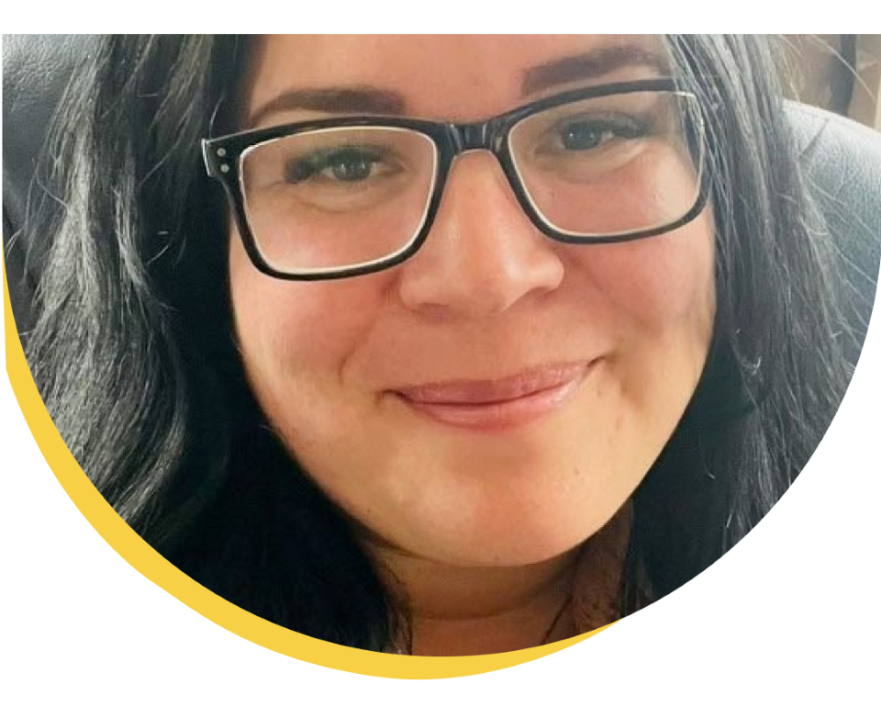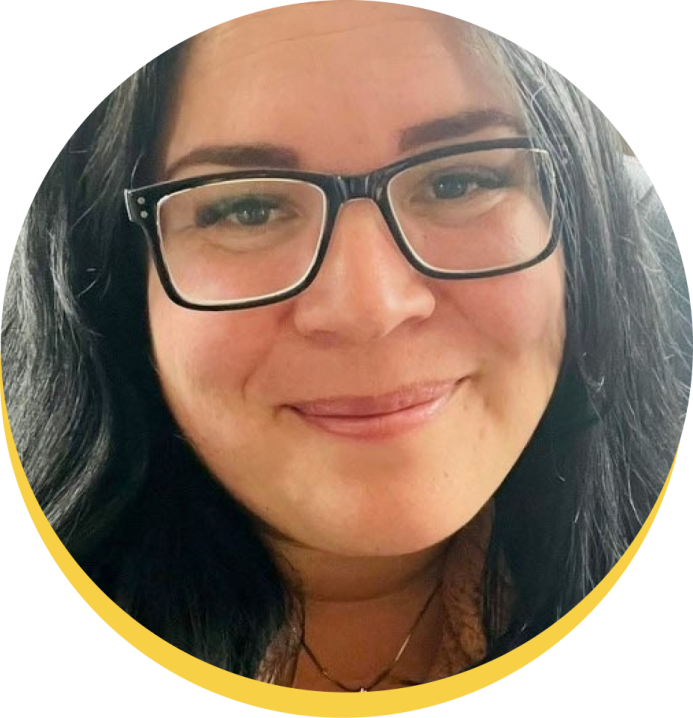
Aboriginal Care Navigator Jessica Cashen is strengthening trust, improving access, and supporting patients
When Jessica Cashen talks about her role as an Aboriginal Care Navigator (ACN) with the East Kootenay Primary Care Network (EKPCN), one idea guides everything she does: meeting people where they are.
It’s a philosophy shaped not only by her professional experience, but by her own life as an Indigenous woman.
“I know what it’s like to experience prejudice; I felt it as a child and as a young adult, and I want to be the advocate I never had,” Cashen says. “I want to be that support for someone who feels unheard or unsure in the health-care system.”
Based in Creston, Cashen supports Indigenous patients as they navigate what can often feel like a complex and overwhelming system. Her work extends beyond clinic walls—connecting patients to care, coordinating services, arranging transportation, and offering a steady presence as a trusted confidant. Sometimes, that means simply sitting beside someone during a medical appointment to ensure they feel safe, understood, and equipped to make decisions about their care.
“Whether it’s a patient or provider, I always start by asking, ‘What do you need?’” she explains. “I work to truly understand, and then I figure out how I can help. I connect, advocate, and support individuals, however I can.”
Cashen’s path to the ACN role was unique. After 14 years as a certified dental assistant, she transitioned into community-based work with ʔaq̓am, supporting language, culture, and later, health and wellness initiatives. That career path, combined with her own lived experience, laid the foundation for the work she does today.
In many ways, her role fills a critical gap. In Creston, like rural communities across B.C., many patients may face barriers that extend beyond medical needs but have a significant impact on their health and well-being. These barriers can include transportation challenges, lack of stable housing, and challenges in knowing about and accessing the right services. Cashen works to help bridge those gaps, one relationship at a time. Her work also includes advocacy—supporting patients through a complex health care system and helping providers better understand the experiences and circumstances shaping a person’s care journey.
At the heart of it all is culturally safe care. For Cashen, that means approaching every interaction with humility, empathy, and without judgment.
“Culturally safe care is really about meeting people where they’re at, compassionately, and without discrimination or bias,” she says. “Let them speak. Give them time. Don’t rush them.”
While awareness of the ACN role continues to grow regionally, Cashen acknowledges there’s still work to do in helping health-care professionals, community services providers, and patients themselves fully understand how she can support individuals and care teams.
“I think sometimes people don’t realize how much I can actually help,” she says. “If someone misses an appointment, call me -- I can help get them there next time. I can follow up with patients at home and make sure the care plan is going well. I can help them navigate what comes next, connect them with services, and ensure nothing falls through the cracks. At the same time, I’m mindful of my scope and stay within my role. I’m not delivering care; I’m part of the team that improves it.”
Looking ahead, Cashen hopes to continue building relationships across the health-care system, strengthening trust with patients, and helping ensure Indigenous individuals feel safe and supported when accessing care.
It’s work that can be complex—and at times, emotionally demanding—but for Cashen, it’s deeply meaningful.
“I bridge gaps and remove barriers,” she says. “I want people to feel like they can walk into a health-care setting without anxiety. I want them to instead feel safe and confident. I also want to be a valued resource for the doctors and nurses in Creston, who I really appreciate and respect. I’ve always been someone who cares for others, and who wants to take care of people, and help make things better. I love this job.”


Primary care in Canada is typically the first point of contact in the healthcare system, providing essential, ongoing, and coordinated health services—such as check-ups, treatment, and referrals—through family doctors, nurse practitioners, and other healthcare providers.
Learn more